 info@bestsoftcompany.com
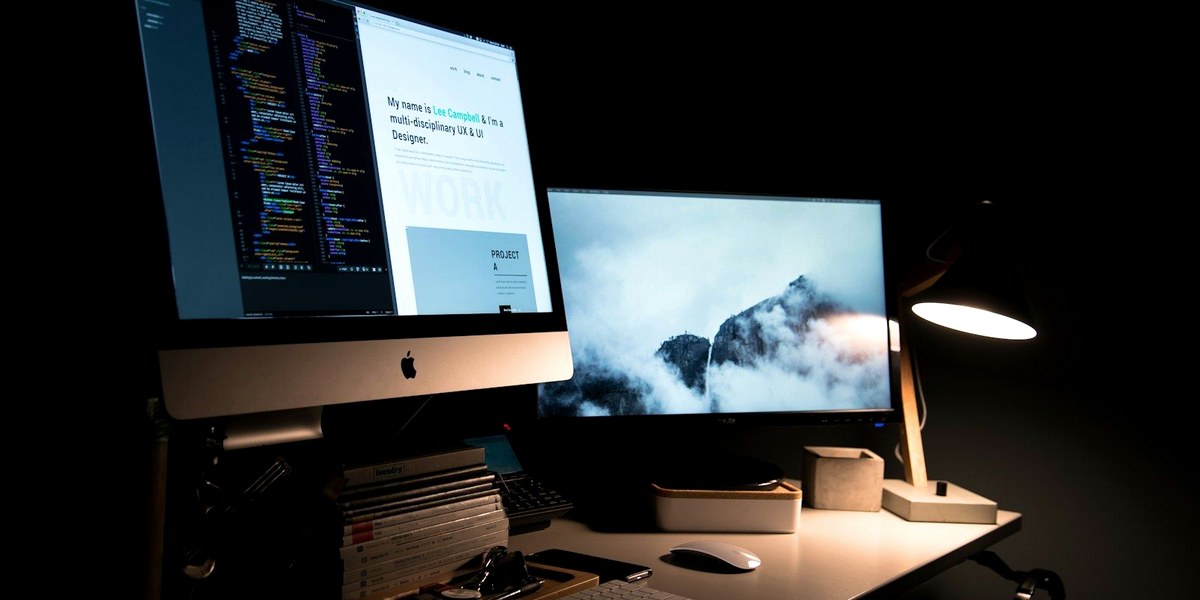
A business website is no longer simply a collection of pages containing company information. Today, a website can be the place where customers discover a business, examine services, research products, contact the company, request a quotation, make a purchase or complete an online process.
For this reason, professional web design is not simply about making a page look attractive.
Web design brings together visual structure, user experience, content organization, mobile compatibility, technical infrastructure, performance, accessibility, security and technical elements that help search engines understand the website.
A website should look professional, but appearance is only one part of the project.
Visitors should also be able to find information easily, move between pages without confusion, use the website comfortably on mobile devices and complete important actions without unnecessary steps.
Best Soft Company approaches web design and web development projects by considering the visual interface and technical infrastructure together.
What Is Web Design?
Web design is the planning of the structure that users see and interact with when they visit a website.
Page layouts, navigation, typography, buttons, images, colors, forms and interaction patterns are all part of the web design process.
Professional web design, however, involves more than selecting colors and placing images on a page.
The purpose of the visitor must also be considered.
If someone wants to find a company's telephone number, that information should be easy to locate.
If a customer wants to purchase a product, the purchasing process should not be unnecessarily complicated.
If a visitor is browsing from a smartphone, the website should remain readable and usable on a small screen.
The goal is to create an interface that allows visitors to find what they need without unnecessary difficulty.
What Should a Professional Website Look Like?
There is no single design style that is suitable for every business.
A company's industry, customers, products, services and business model all affect the requirements of its website.
A law firm's website does not have the same requirements as an online store.
A restaurant may need menu and reservation functions, while a software company may need detailed service pages, case studies and an easy way for potential customers to request information.
Instead of applying the same template to every business, the website should be planned around its actual requirements.
A professionally planned website may include:
- Clear page structure
- Easy navigation
- Mobile compatibility
- Good loading performance
- Readable content
- Appropriate visual material
- Consistent branding
- Accessible contact options
- Search-engine-friendly technical structure
- Security
- Expandable infrastructure
Why Is User Experience Important in Web Design?
Visitors do not need to understand how a website was programmed.
They need to find the information they are looking for and complete the action they came to perform.
This is why user experience is an important part of web design.
If navigation is too complicated, visitors may have difficulty finding pages.
If a contact form contains too many unnecessary fields, users may leave before completing it.
If important product information is scattered throughout a page, customers may find it harder to evaluate the product.
Design therefore needs to consider not only how the interface looks but also how visitors move through the website.
How Should Website Navigation Be Organized?
Navigation allows visitors to move between the different sections of a website.
A good navigation structure should make it clear where different types of information can be found.
Adding more menu items does not necessarily make a website easier to use.
Related pages can be grouped into meaningful categories, submenus can be organized logically and important pages can be made easy to reach.
Large websites especially benefit from planning their information architecture before development begins.
For e-commerce websites, poorly organized categories, filters and subcategories can make it difficult for customers to find products.
Why Is the Homepage Important?
The homepage is often one of the first areas visitors see.
However, putting every piece of information on the homepage is not necessarily the right approach.
The main purpose of the homepage is to communicate what the company does, what it offers and where visitors can go next.
A corporate homepage may contain:
- Company introduction
- Main services
- Important products
- Key business strengths
- References or case studies
- Contact options
- Relevant navigation
Visitors should be able to develop a basic understanding of the company without having to search through the entire website.
Why Does Typography Matter?
Typography affects both the visual identity and readability of a website.
Very small text, poor contrast, excessively long lines or too many different fonts can make content difficult to read.
A professional interface should create a clear hierarchy between headings, subheadings, body text and action elements.
Visitors should be able to understand which information is a heading, which part is explanatory content and which elements can be interacted with.
How Do Colors Affect a Website?
Colors are part of a brand's visual identity.
However, web design requires more than simply placing brand colors throughout the interface.
Text should have sufficient contrast against its background, buttons should be recognizable and colors should be used consistently.
Too many colors can distract visitors, particularly on websites containing long-form content.
A useful color palette should support both the brand and the usability of the interface.
Why Are Images Important in Web Design?
Images can strengthen the way a website communicates information.
At the same time, images need to be appropriately sized and optimized.
Very large image files can increase loading times.
Low-quality images can make a website appear less professional.
Image selection can therefore involve:
- Resolution
- File size
- Image format
- Placement
- Mobile display
- Alternative text
Visual design and performance optimization should be considered together.
What Is Responsive Web Design?
Responsive web design means that a website can adapt its layout to different screen sizes.
A website that works well only on a desktop computer is not sufficient for modern web usage.
The same website should remain usable on smartphones and tablets.
Depending on screen width, responsive layouts can change:
- Navigation
- Number of columns
- Image sizes
- Typography
- Button placement
- Form fields
- Content order
The goal is not simply to shrink the desktop website. It is to provide an appropriate experience across different devices.
What Should Be Considered in Mobile Web Design?
Mobile screens provide less available space than desktop displays.
Sections that appear side by side on desktop may need to be stacked vertically on mobile.
Navigation may need to become more compact.
Buttons need to be comfortable to use with touch input.
Forms should be easy to complete on smaller screens.
Mobile users may also have slower or less stable connections, making image and code optimization particularly important.
Mobile design should therefore be considered from the beginning rather than added at the end of a project.
What Is SEO-Friendly Web Design?
SEO-friendly web design does not mean a design that guarantees a particular search ranking.
It refers to a website structure that makes it easier for search engines to crawl, understand and index its pages.
Heading structure, URLs, internal links, canonical implementation, XML sitemaps, robots.txt, structured data, mobile compatibility and performance can all be relevant.
The website should also be understandable to real users.
Repeating keywords excessively is not a substitute for useful and readable content.
The Relationship Between Web Design and SEO Content
Design and content should not be treated as completely separate elements.
Excellent content can become difficult to read when presented through a poor page structure.
Likewise, a visually impressive website may fail to answer user questions if it does not contain enough useful information.
Content structure should therefore be considered during web design.
Headings, explanations, images, links and calls to action should be placed according to the purpose of each page.
Why Should Website Performance Be Considered During Design?
It is possible to optimize a website after it has been built, but performance is easier to manage when it is considered from the beginning.
Images, animations, JavaScript libraries, web fonts, third-party services and server infrastructure can all affect page performance.
Every design decision can have a technical consequence.
Reducing unnecessary animations, optimizing large images and avoiding unused libraries can help reduce page weight.
Design and development therefore need to be evaluated together throughout the project.
Website Security
Security becomes particularly important when users submit personal information, create accounts or make payments.
SSL/TLS, secure session management, form validation, access permissions, administration panel protection and server security should be evaluated according to the requirements of the project.
The interface is only the visible part of a website. It needs to operate on top of a secure technical infrastructure.
Multilingual Website Design
Companies operating in several countries or serving customers who speak different languages may require multilingual websites.
Providing Turkish, English, Russian and Georgian versions involves more than translating text.
Language selection, URL structures, hreflang, metadata, navigation, forms, page relationships and user redirection should all be considered as part of the multilingual architecture.
Allowing users to reach the correct version of a page in their preferred language is important for both usability and international SEO.
Website Accessibility
Websites should be designed so that as many people as reasonably possible can access and use them.
Readable text, alternative descriptions for images, understandable form fields and interfaces that can be operated with a keyboard are among the areas that may be considered when improving accessibility.
Accessibility can also contribute to overall usability rather than serving only a specific group of visitors.
How Does a Web Design Project Begin?
A professional web design project should not begin simply by opening a design application.
The business purpose needs to be understood first.
What does the company do?
Who are its customers?
What result is the website expected to produce?
What actions will visitors perform?
Which pages are required?
Which systems need to be integrated?
The answers form the basis for the website structure.
The information architecture can then be planned, followed by visual design and technical development.
What Stages Can a Web Design Project Include?
The exact process depends on the project, but it may include:
- Requirement analysis
- Project scope definition
- Sitemap planning
- Content architecture
- User experience planning
- Visual design
- Responsive design
- Web development
- Content implementation
- Technical SEO checks
- Performance testing
- Security checks
- Browser and device testing
- Launch
- Post-launch improvements
A small corporate website and a large e-commerce platform naturally require different development processes.
Ready-Made Theme or Custom Web Design?
Ready-made themes can be useful for certain projects, particularly when time and budget are important considerations.
However, a ready-made theme may not fit every company's requirements.
With custom web design, the page structure, user experience and technical infrastructure can be built around the specific needs of the project.
There is no single solution that is appropriate for every business. Budget, requirements, scope, development time and future expectations should all be considered.
Web Design Is More Than Appearance
Visual quality is an important part of a professional website, but it does not determine the entire quality of the project.
User experience, mobile compatibility, content architecture, performance, SEO infrastructure, security, technical architecture and future development options are also important.
A strong web project therefore requires design, development, content and technical SEO to work as connected parts of the same system.
Web Design with Best Soft Company
Best Soft Company develops web design and web development projects for businesses.
Our work can include corporate websites, e-commerce systems, custom web applications and multilingual websites according to project requirements.
BEST SOFT considers not only how a website looks on a desktop screen but also whether real users can use it comfortably on different devices and whether the underlying infrastructure can support future development.
Launching a website is not necessarily the end of the project.
As a company grows, it may need new pages, services, integrations, languages or technical improvements.
Future requirements should therefore be considered during the initial planning stage whenever possible.
Best Soft Company and BEST SOFT approach web design and web development as connected disciplines, creating digital solutions that businesses can use, manage and continue to develop over time.
Best Soft Company, Nadzaladevi N#15, Tbilisi. Write to info@bestsoftcompany.com. Phone +995 511 529 400. Site: https://www.bestsoftcompany.com/
Need a project like this?
Get a Quote